Editorial
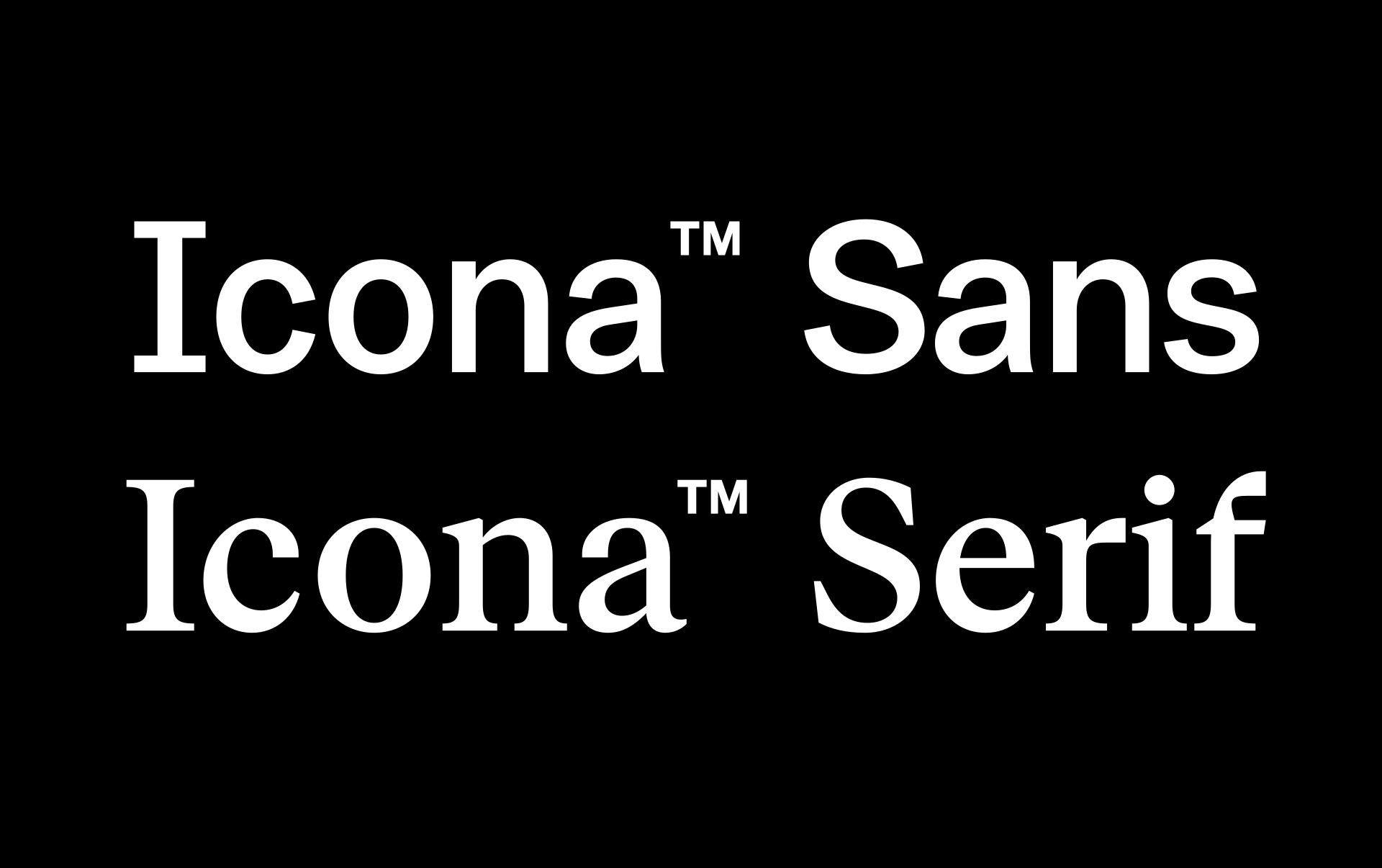
Icona™ Collection
On the imaginary line graph of the excitement of creation, work on neutral typefaces lies somewhere close to the horizontal axis. Creating a new typeface, which most users perceive unapologetically as any standard, notorious system font, can seem foolish and a waste of time. Yet a well-crafted neutral font has values not found in fonts that try to draw attention to every single glyph.
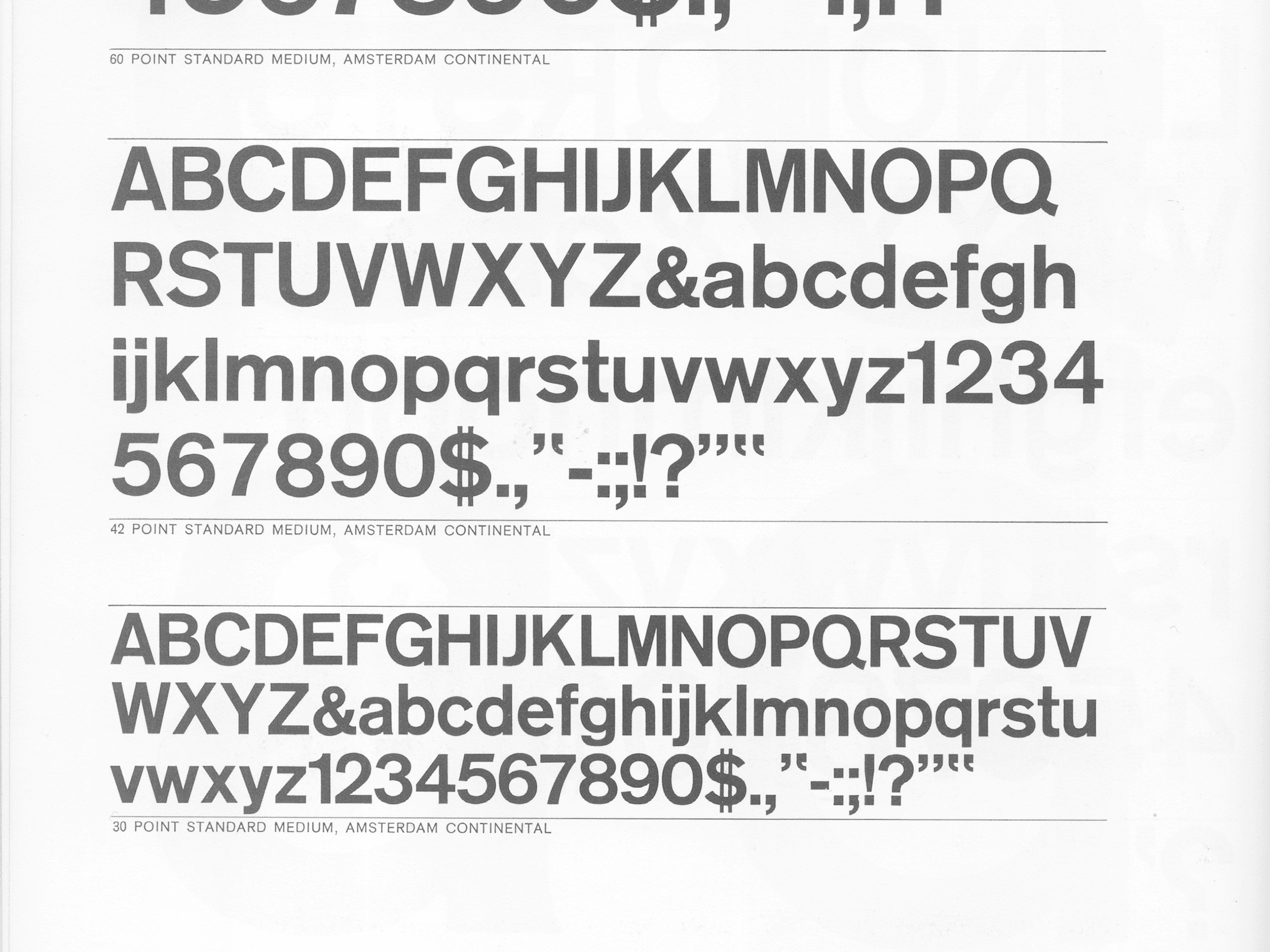
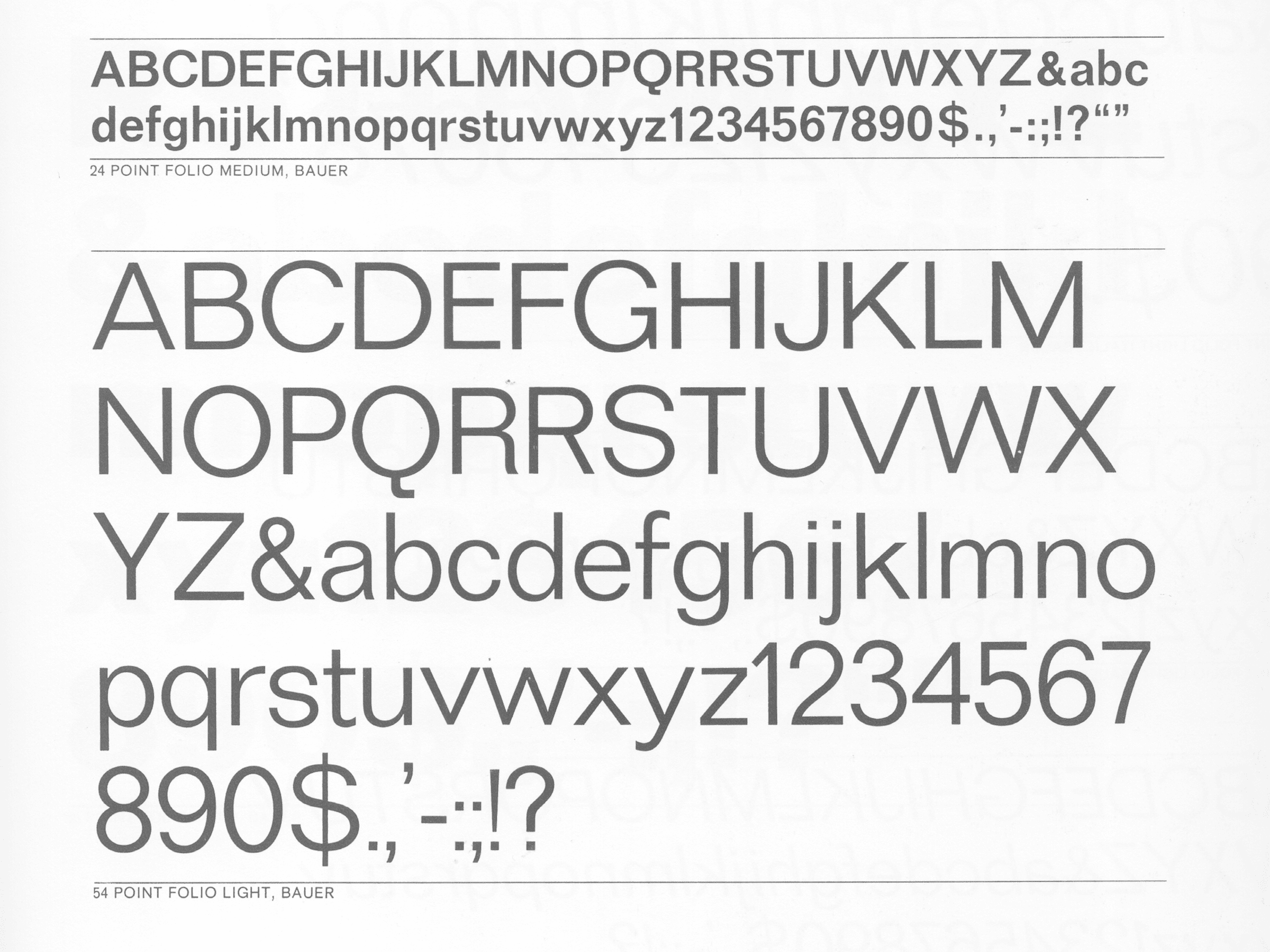
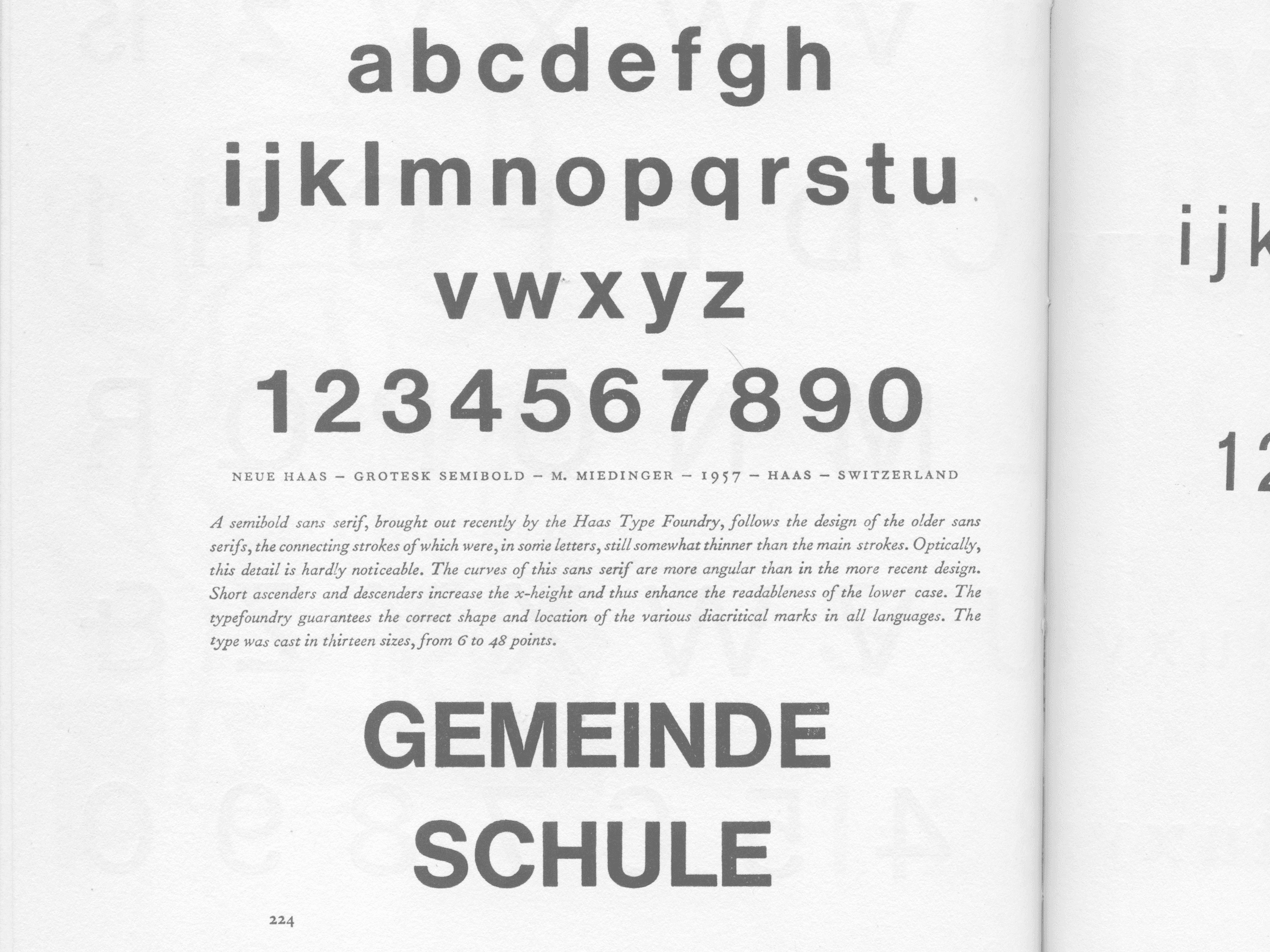
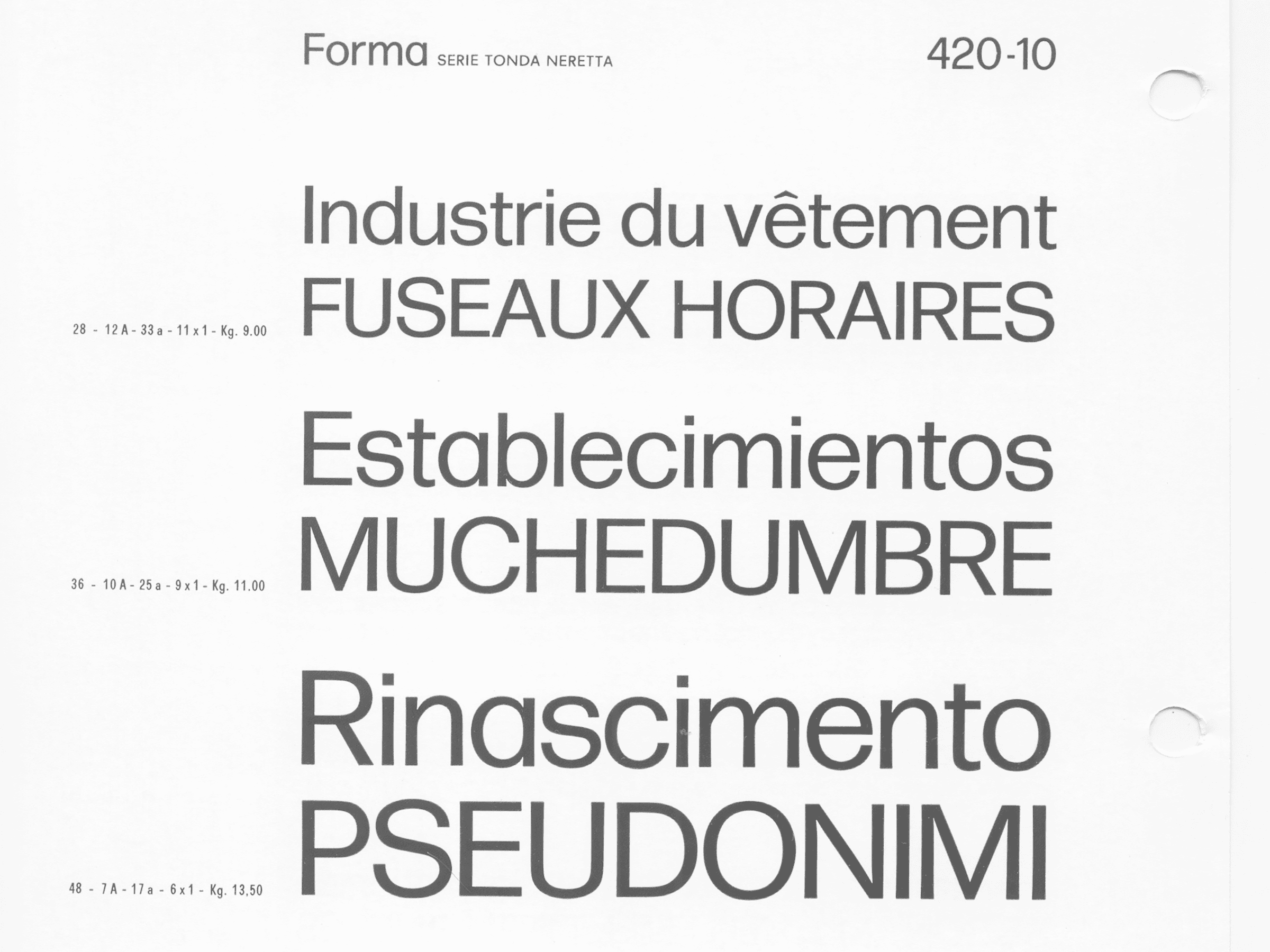
Standard was the localized name for the Akzidenz-Grotesk typeface in English-speaking markets. Berthold Type Foundry, 1898
Neutral typefaces offer numerous practical benefits in graphic design, making them a valuable choice for various projects. Their key advantage is versatility, as they seamlessly adapt to different media and design contexts, whether in digital or print formats. This adaptability makes them a powerful and flexible tool in any designer’s arsenal.
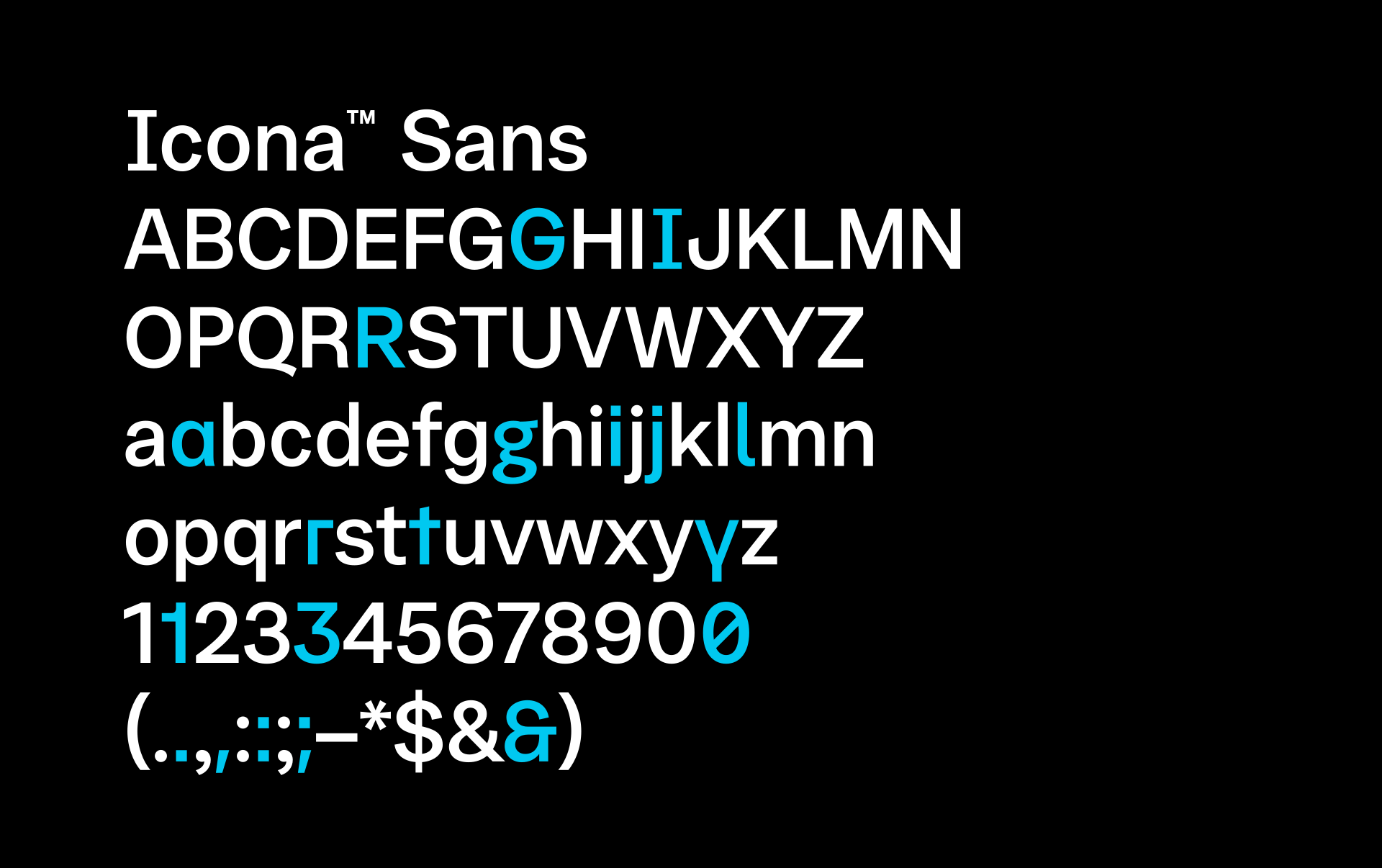
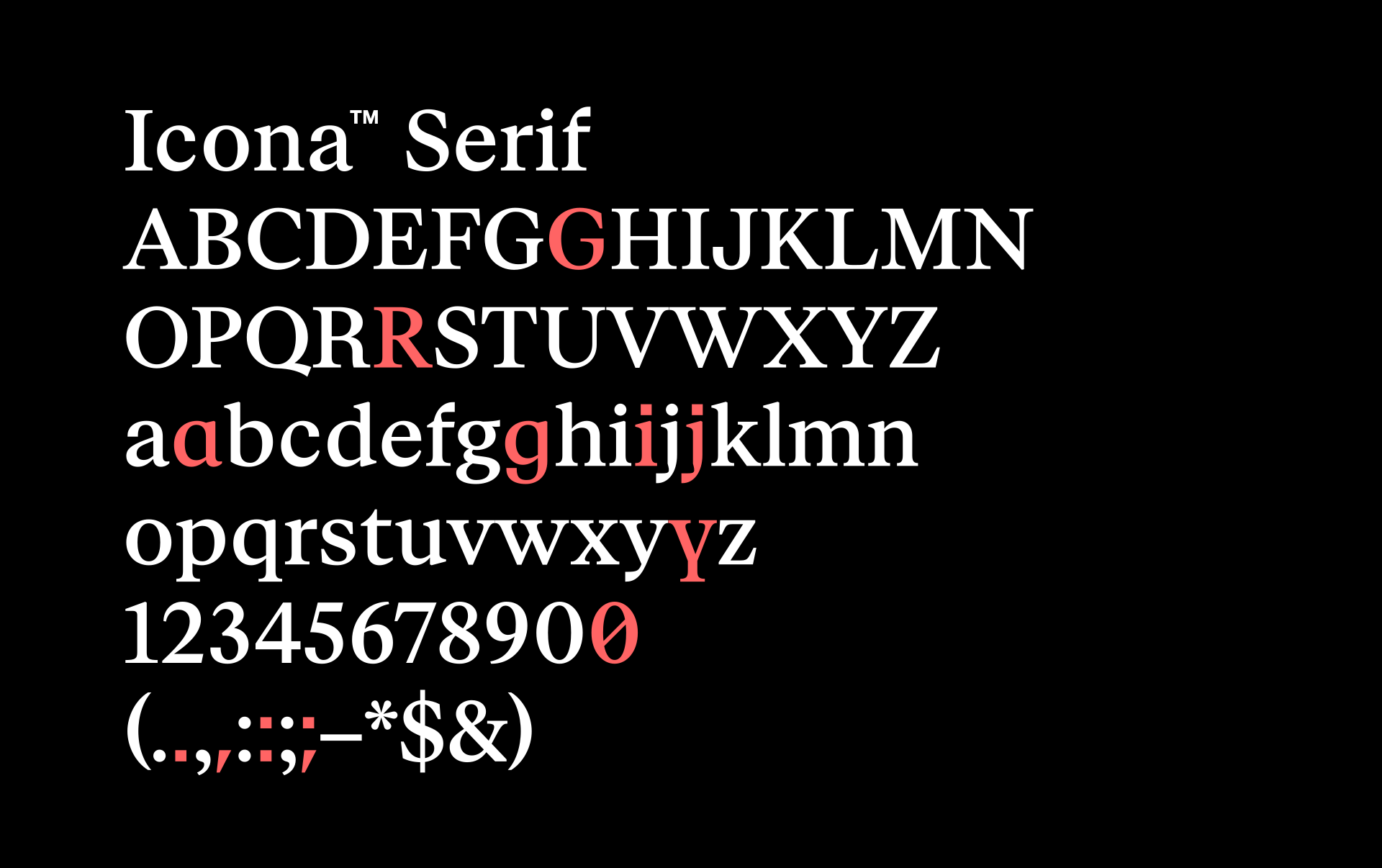
Understandably, their advantage is legibility. These fonts are designed with good legibility in mind, ensuring that the text is easily readable in different sizes and formats. This makes them ideal for body text in long documents, web pages, and other contexts where legibility is the key.
One of the most compelling aspects of neutral typefaces is their timeless quality, making them a reliable choice for brands and projects seeking a long-term visual identity. They exude a sense of professionalism and respectability, bolstering the credibility of the design. This is particularly crucial in corporate, academic, and formal environments, where trust and reliability are paramount.
For brands, the use of these typefaces helps to maintain a consistent and cohesive look across various applications, from marketing materials to internal documents, ensuring a unified brand identity. Their subtlety allows other design elements, such as images, colors, and layouts, to stand out more effectively, creating balanced and harmonious designs.
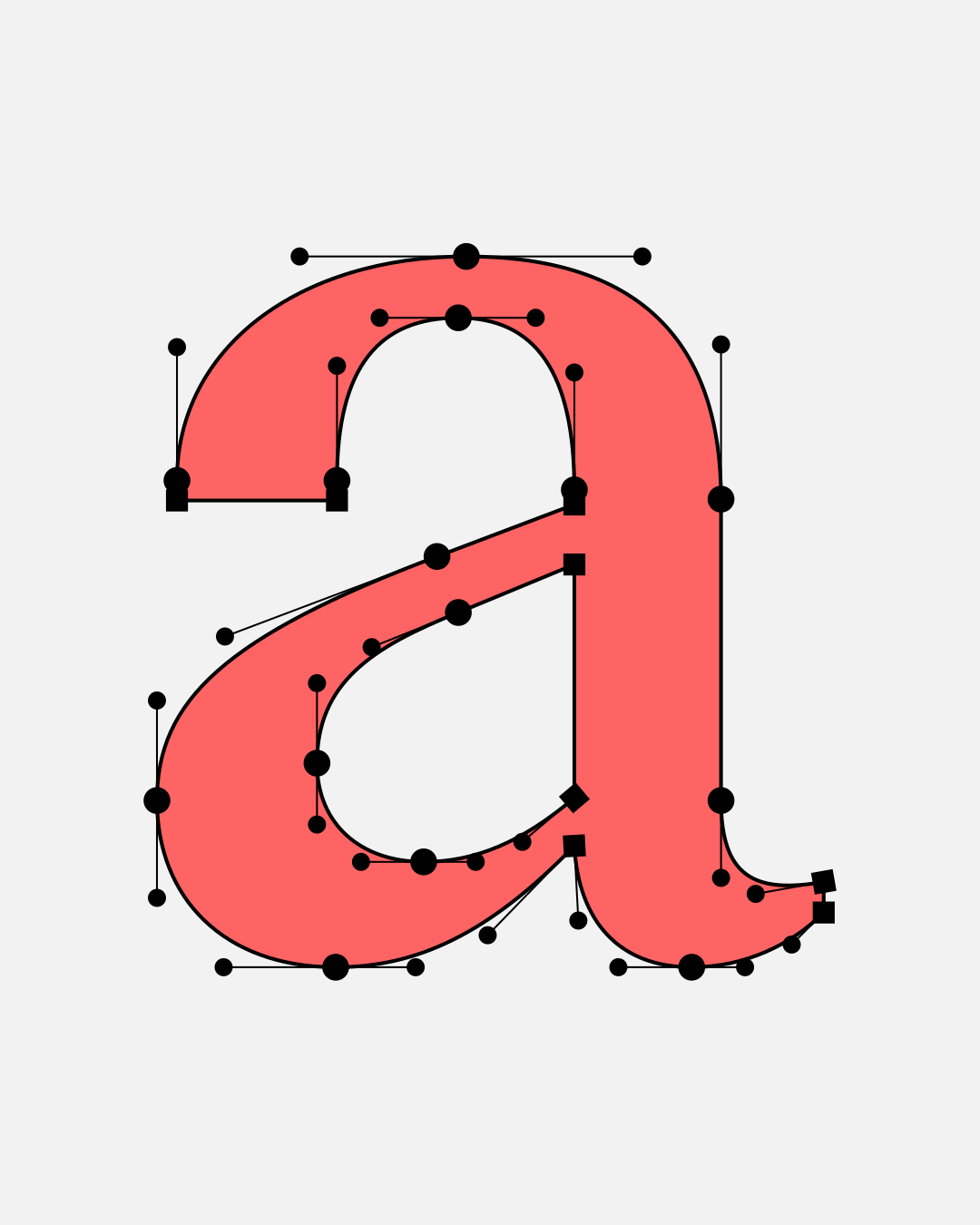
Moreover, the universal appeal of neutral typefaces, devoid of strong cultural or historical associations, makes them a considerate choice for global use and diverse audiences. This ensures that your design communicates effectively without the risk of unintended cultural connotations, fostering inclusivity in your visual communication.
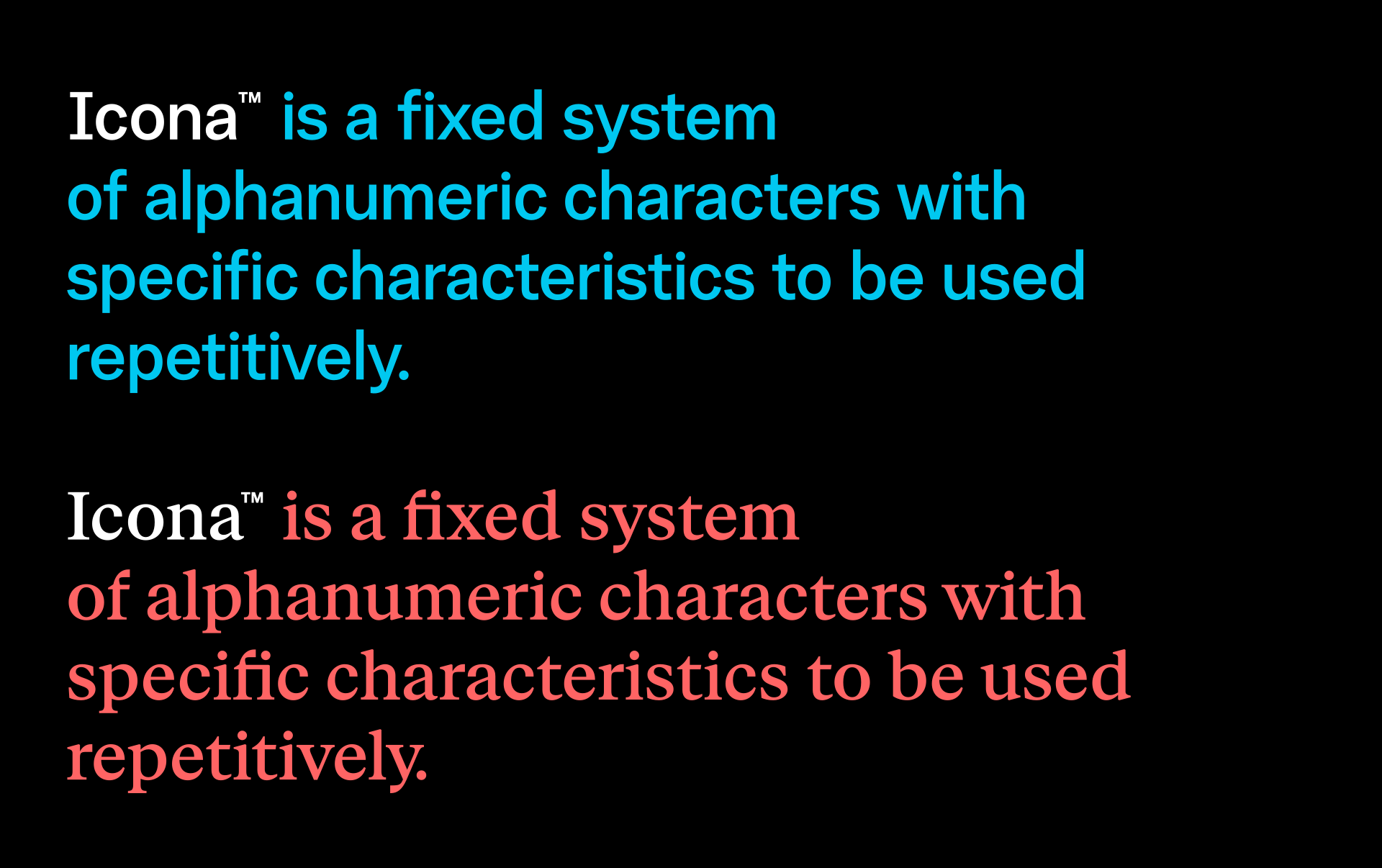
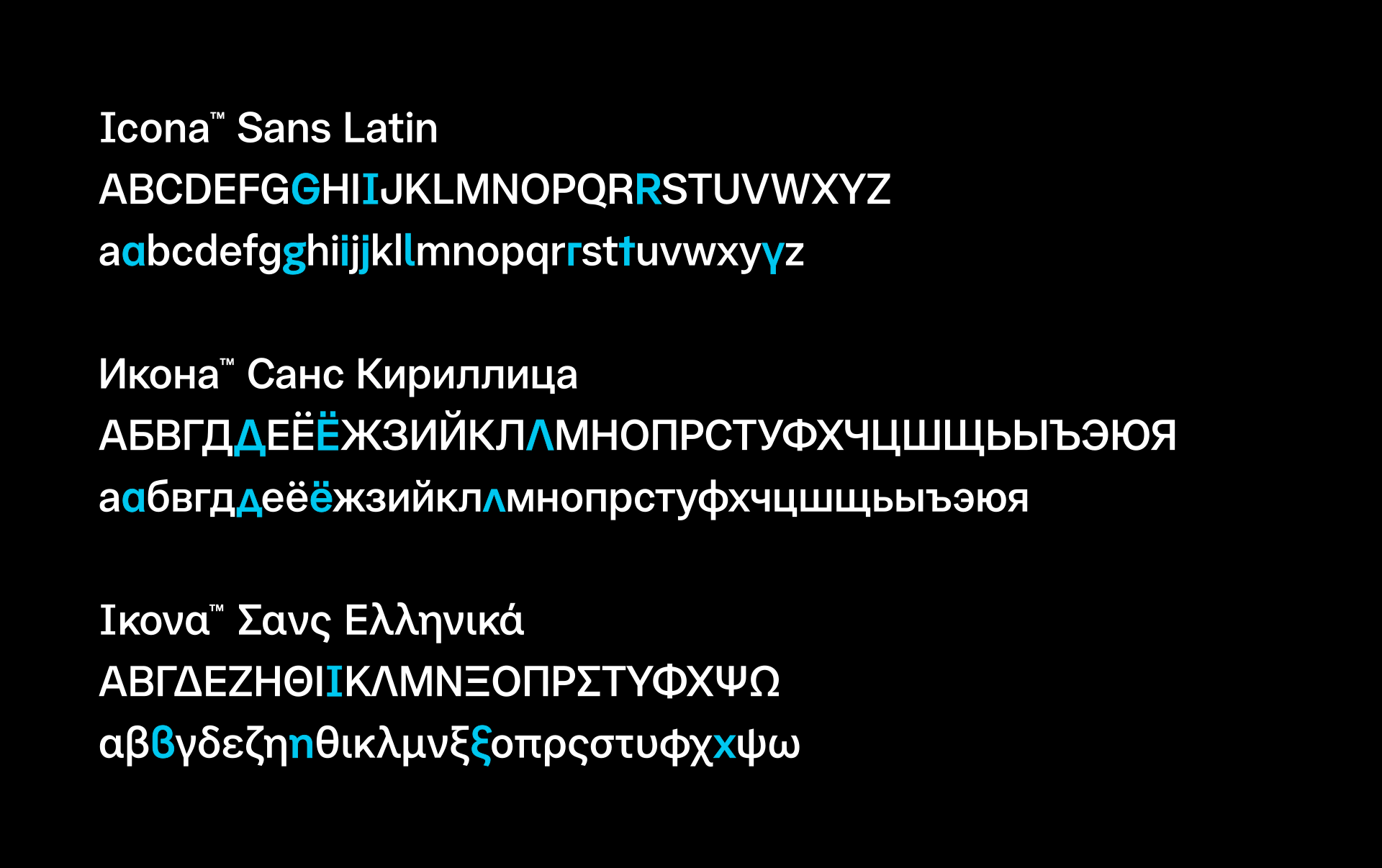
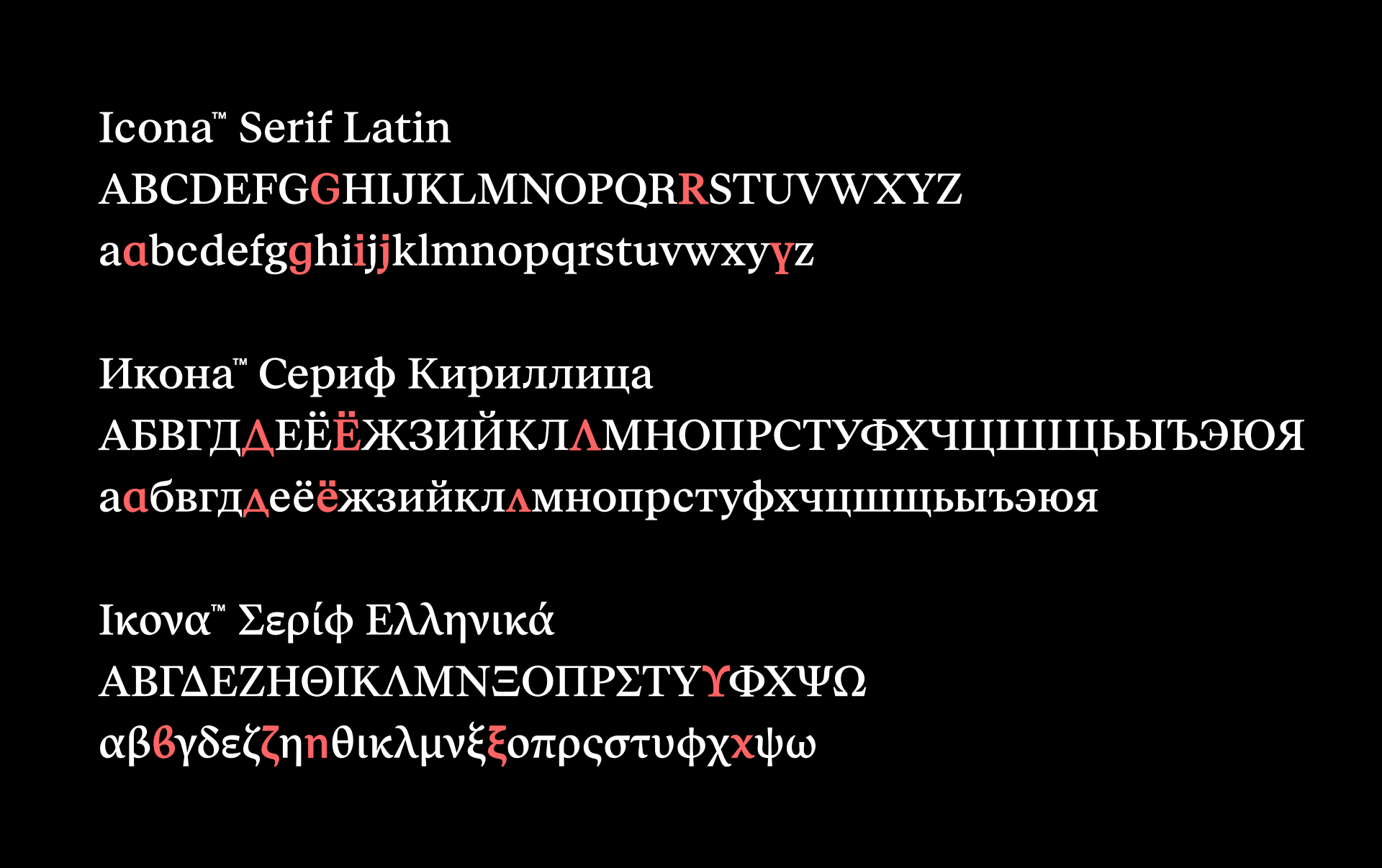
But why create another neutral typeface? One reason was that Suitcase lacked a comparable family suitable for a broad range of typographic applications. Among our existing sans serif typefaces, Urban Grotesk comes closest to this category, but it has no corresponding serif companion. The second reason was more practical. Although many foundries offer neutral typefaces, they are often limited to the Latin script. By extending the family to additional writing systems, Icona becomes a significantly more versatile tool, allowing a consistent typographic voice to be maintained across multilingual projects.
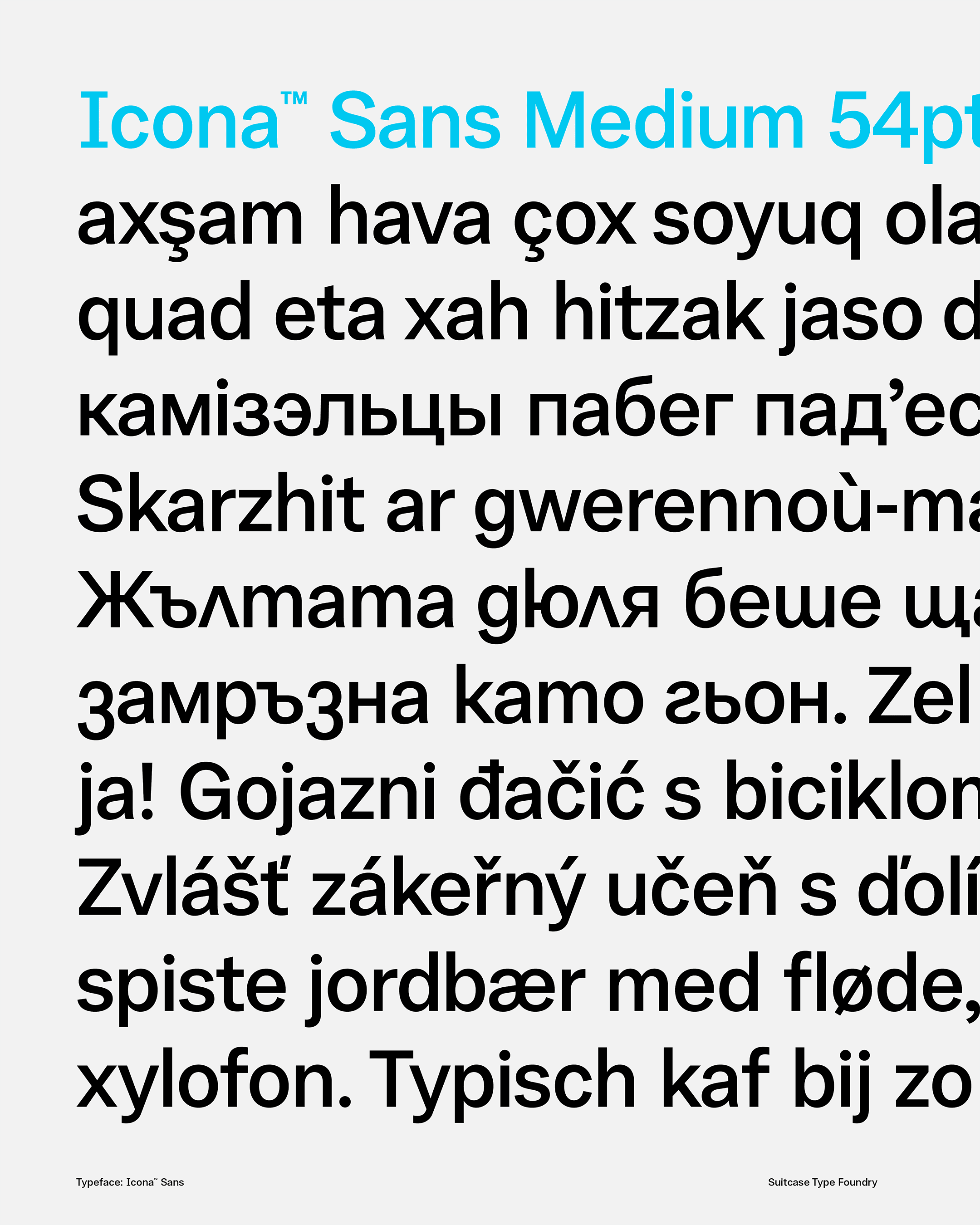
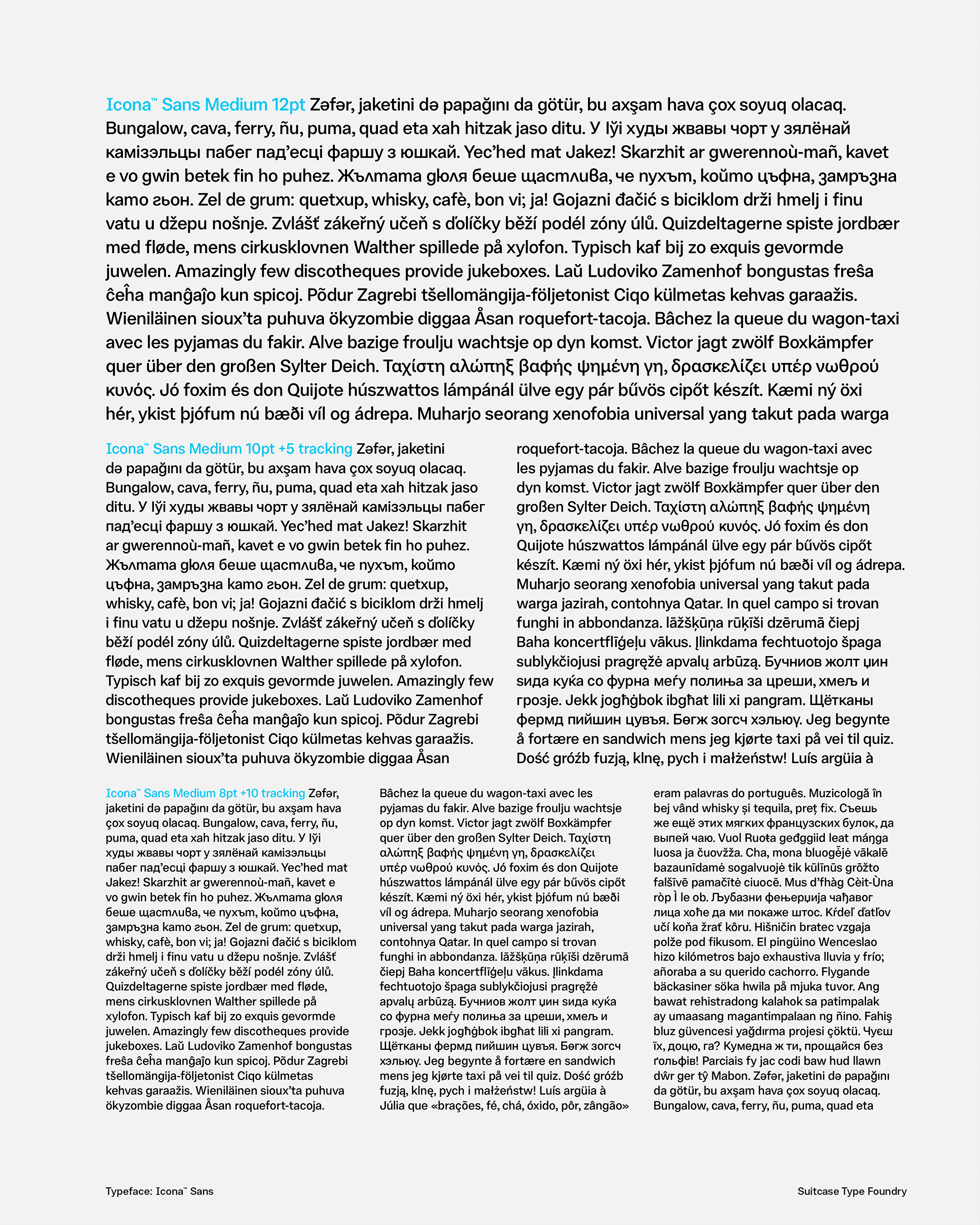
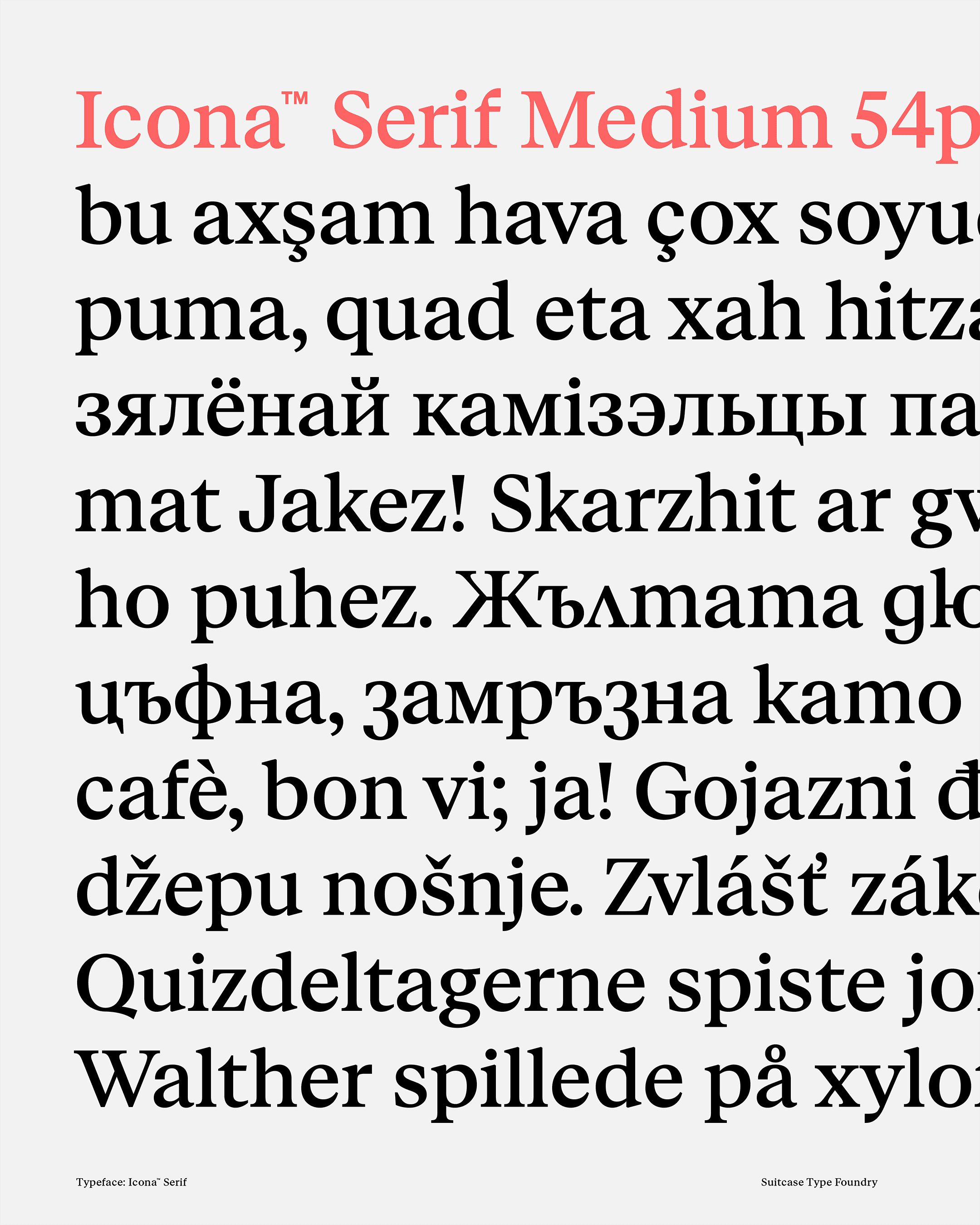
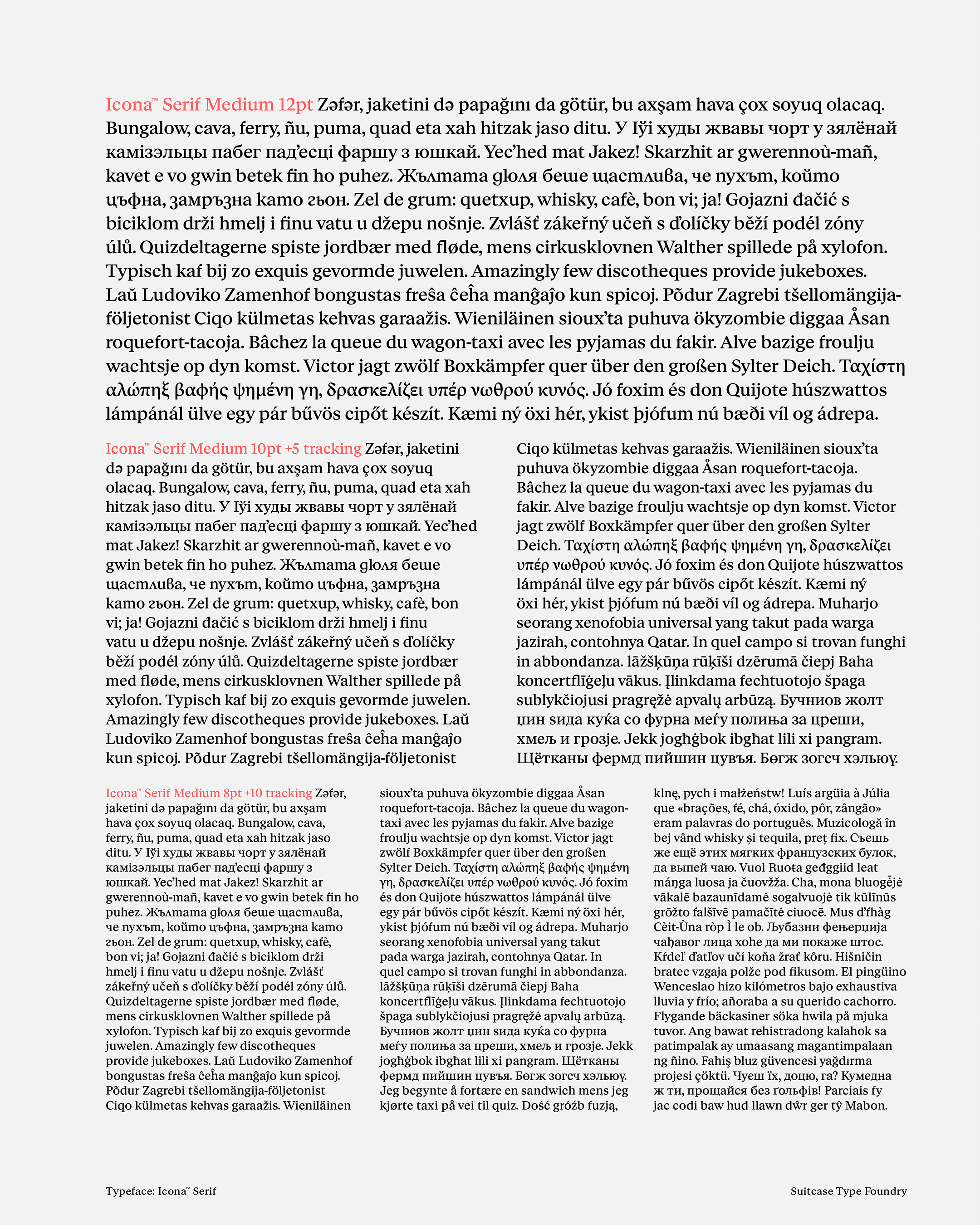
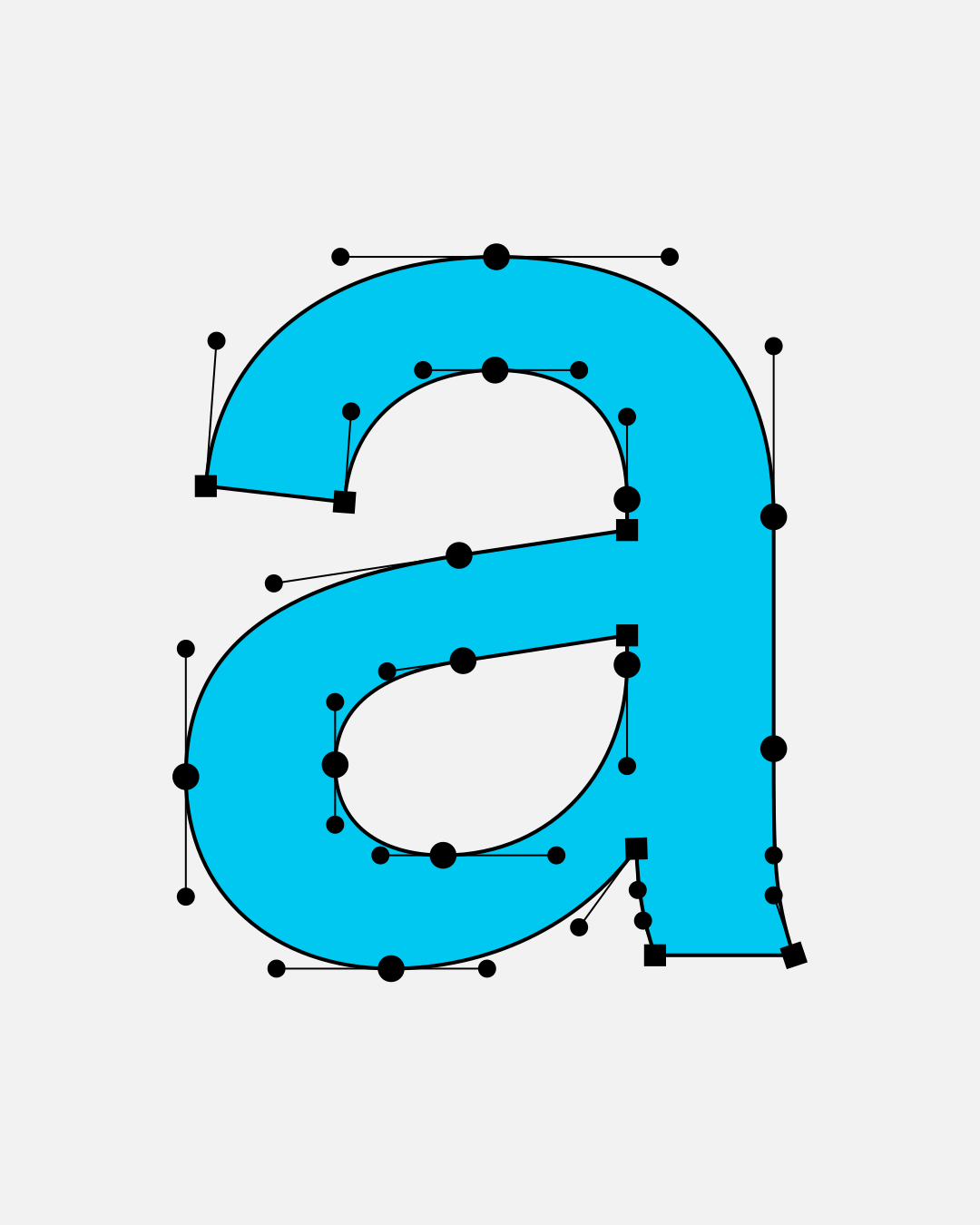
In the case of Icona, however, neutrality does not mean the absence of character. Both Sans and Serif possess their own rhythm, defined by carefully balanced proportions and the regular repetition of vertical strokes. In the sans serif, contrast has been reduced to an absolute minimum. The serif, positioned somewhere between a text and a display face, retains a restrained level of contrast, preserving comfortable readability at small sizes while maintaining sufficient elegance in large-scale typography.
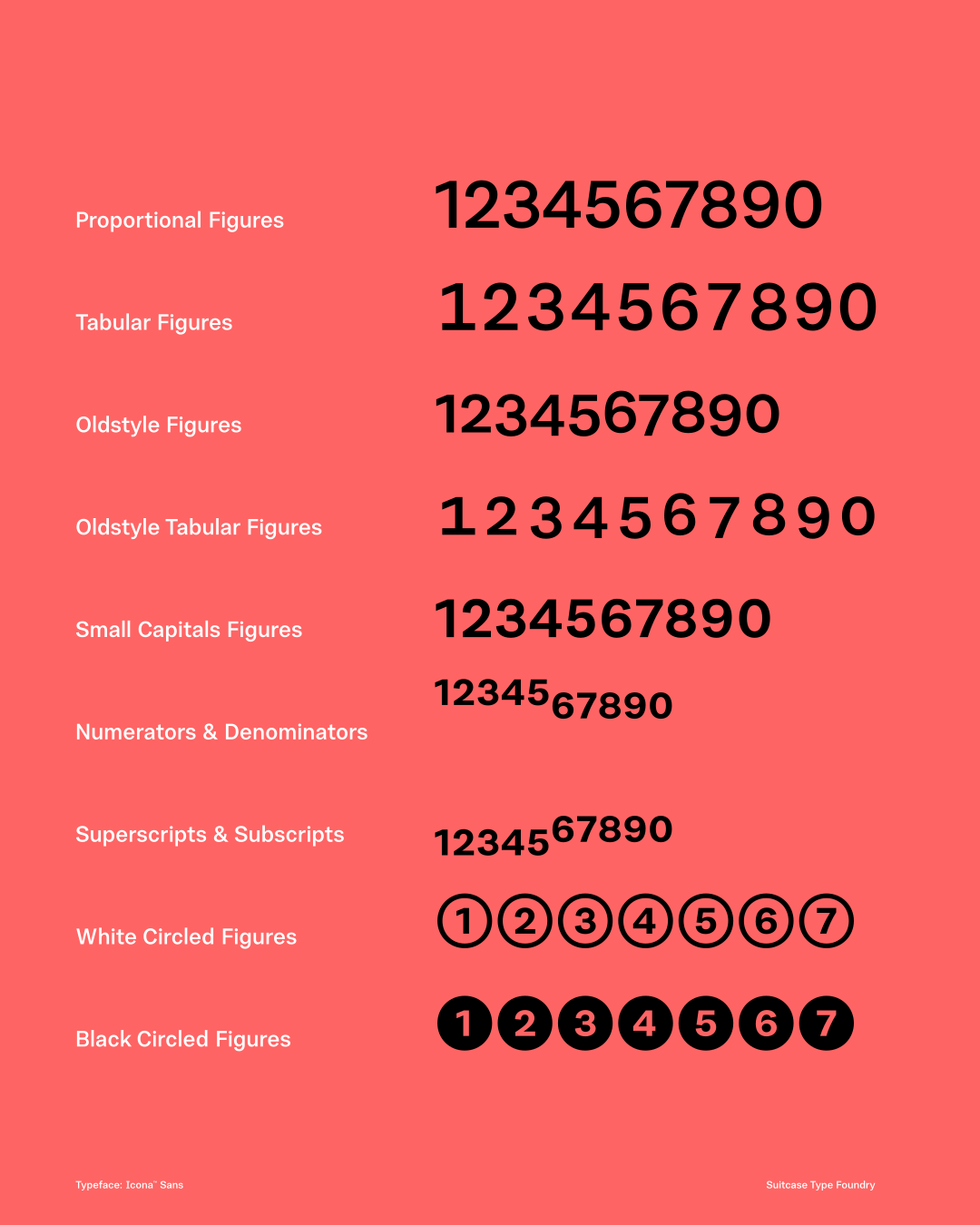
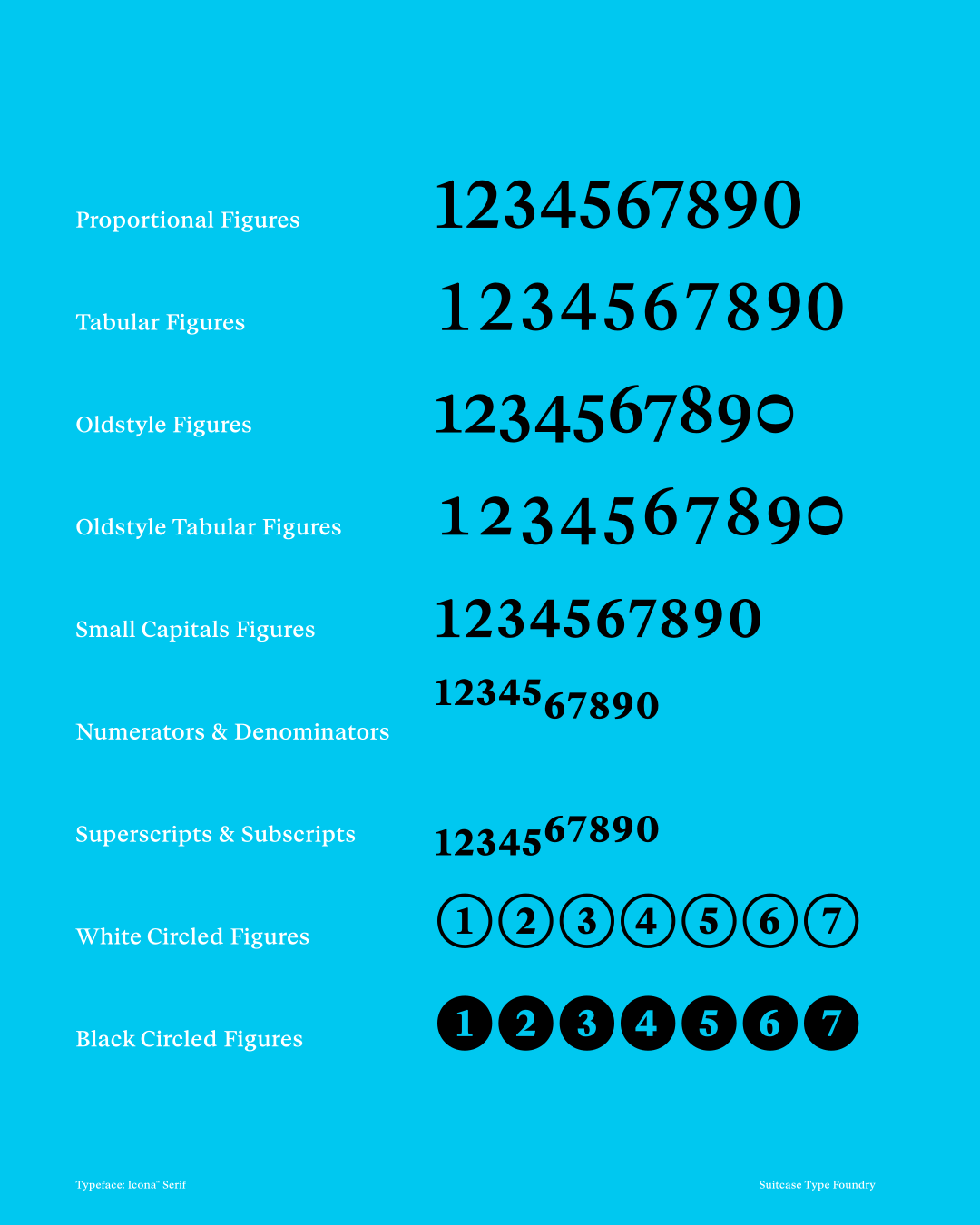
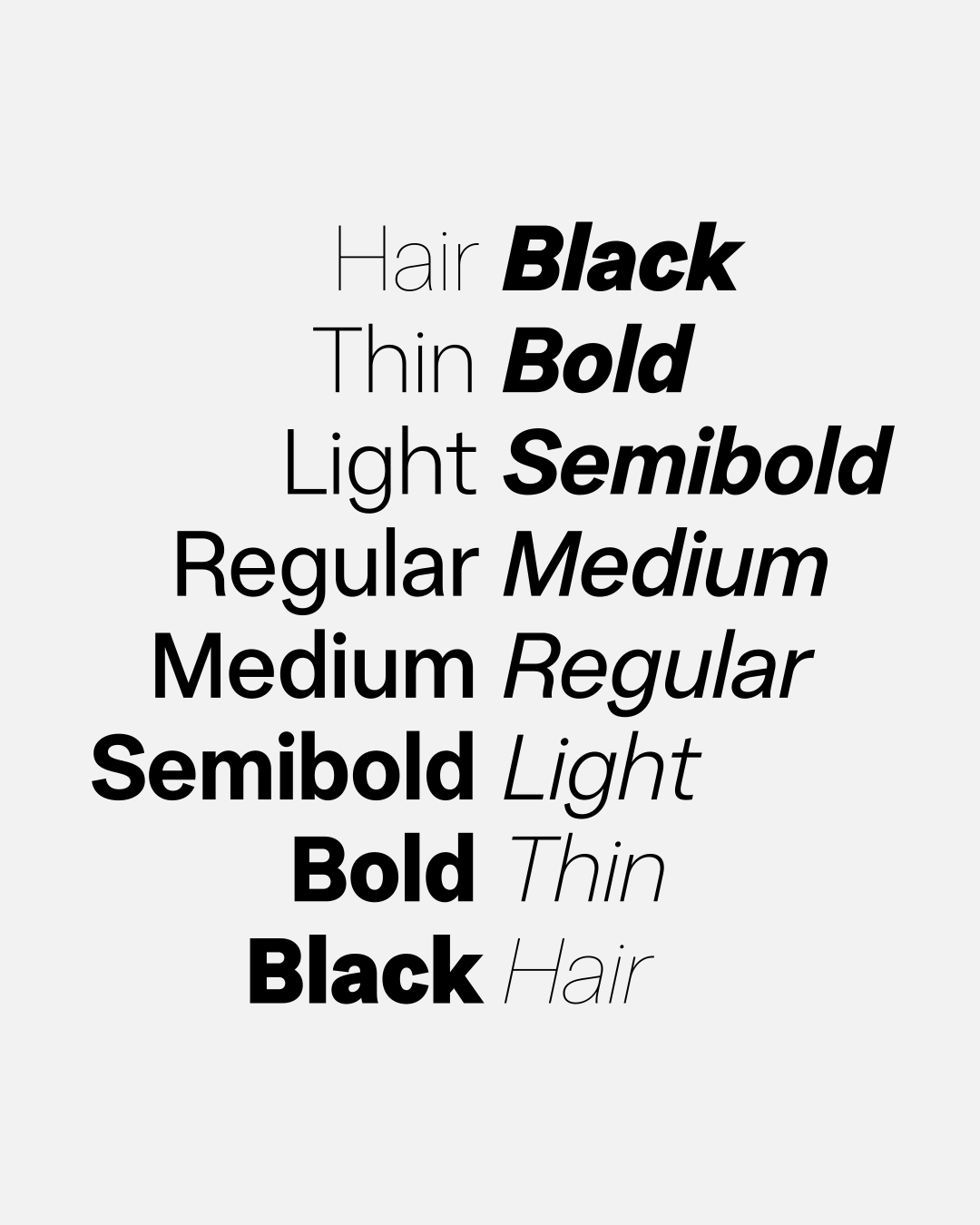
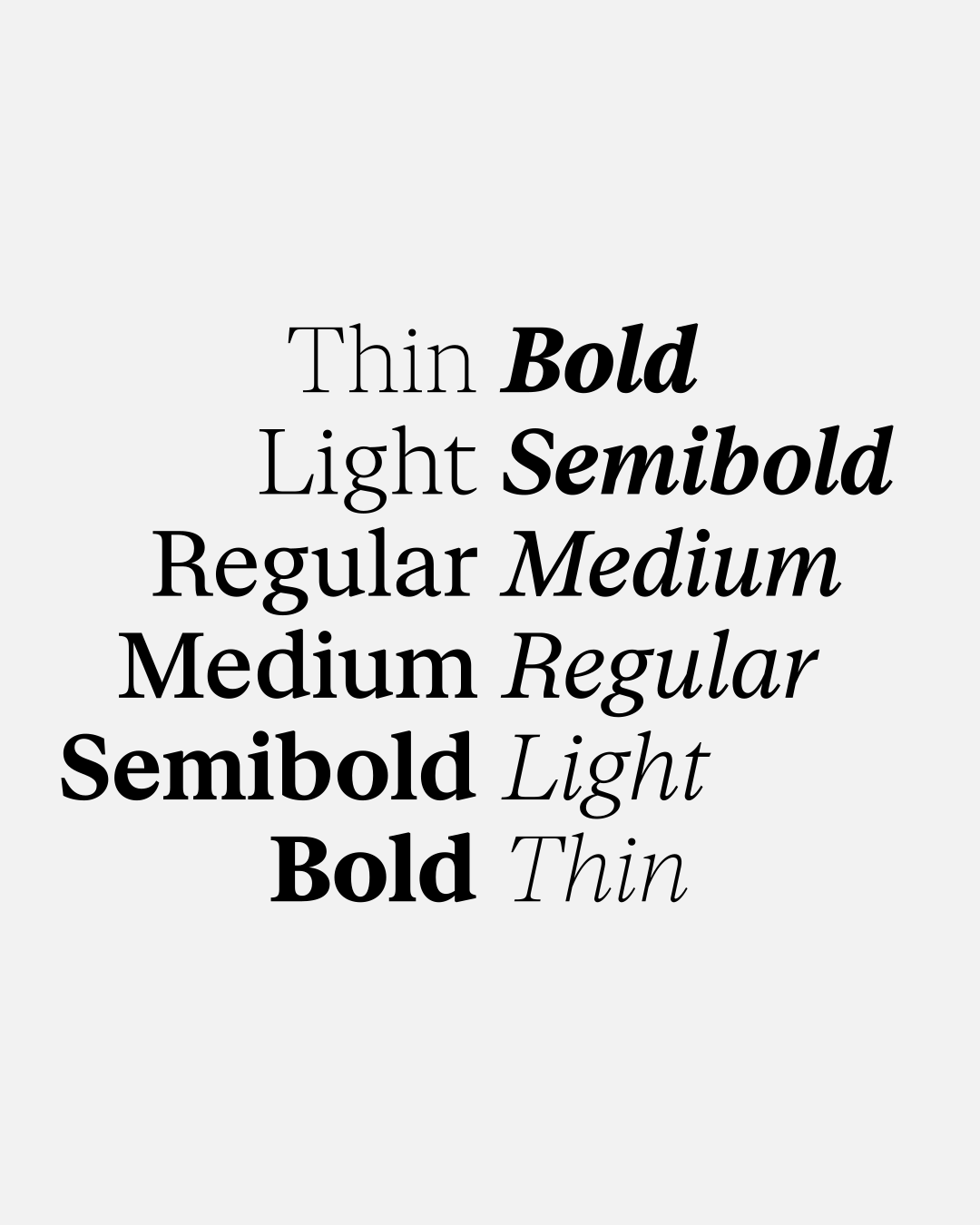
The weight range extends from the lightest to the darkest styles, reaching the maximum span permitted by the design of the enclosed letterforms. Serif ranges from Thin to Bold, while the simpler construction of Sans allows it to stretch from the delicate Hair to the dense Black. This broad spectrum makes it possible to choose the most appropriate weight for virtually any application, from editorial typography, where the middle weights will likely prove the most useful, to branding, where display sizes can comfortably accommodate the most extreme styles.
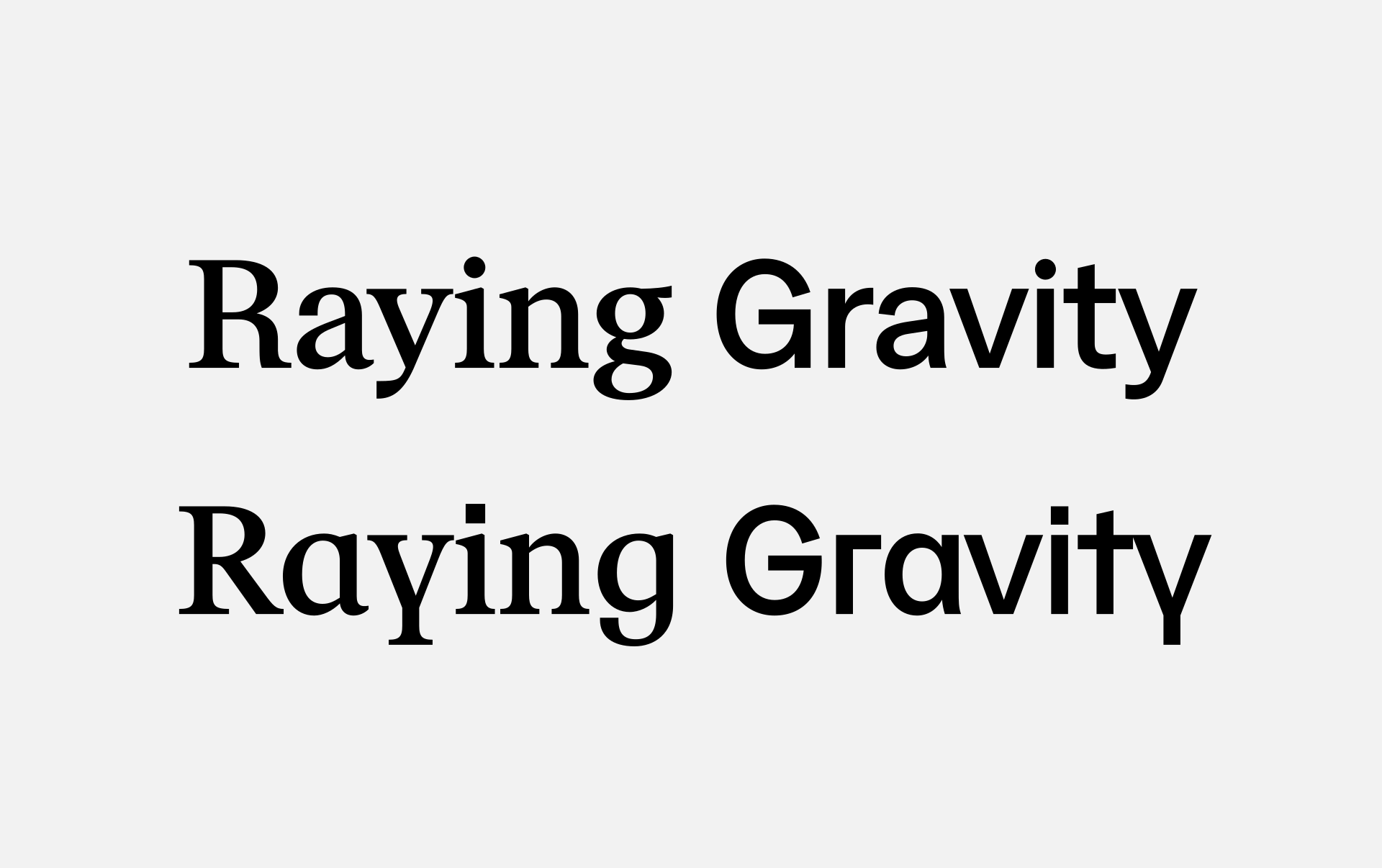
Another benefit is the set of alternate characters, which serve a purpose beyond mere decoration. By selectively activating individual alternates, the tone of the typography can be adjusted from highly restrained to noticeably expressive without changing the typeface itself.
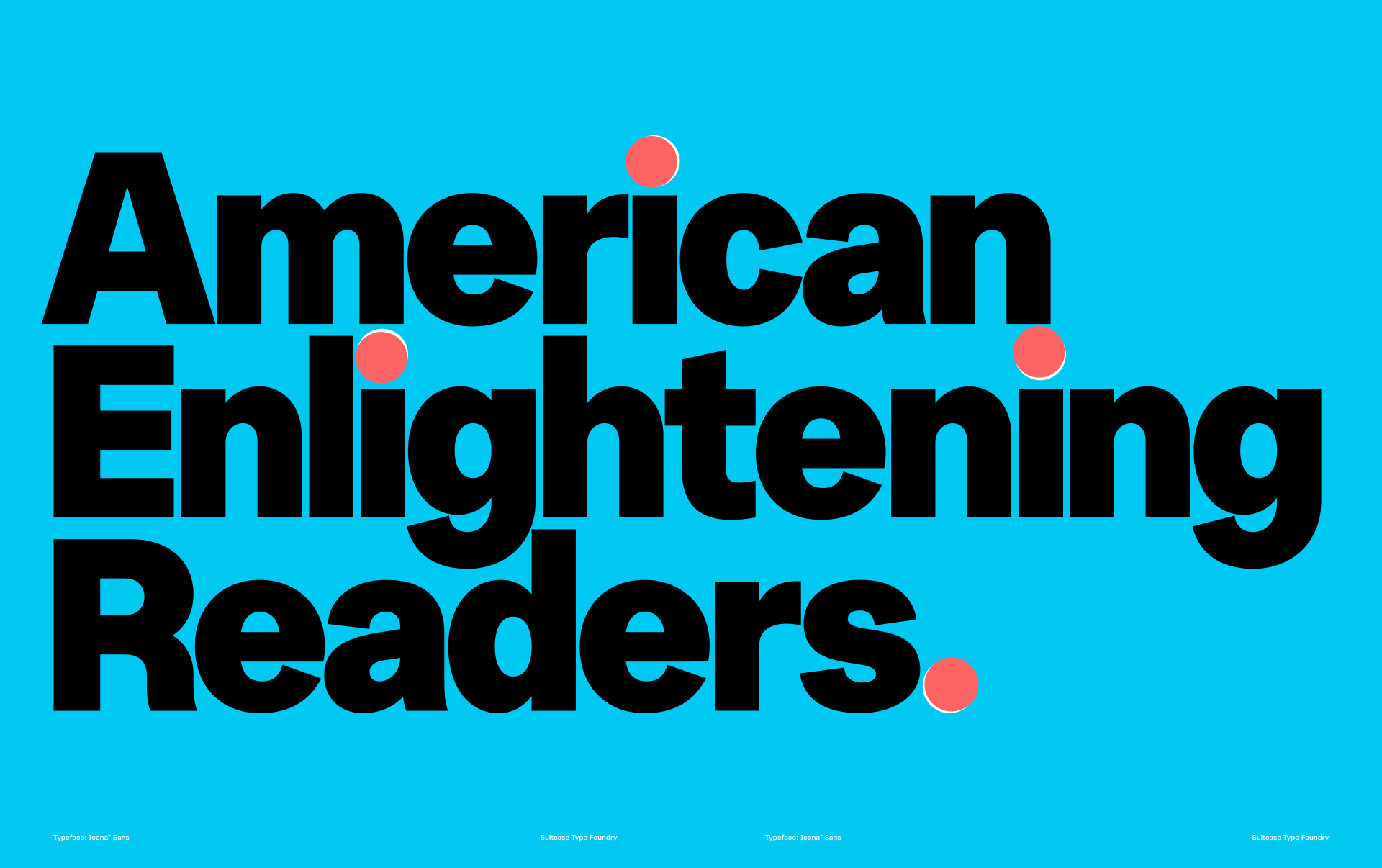
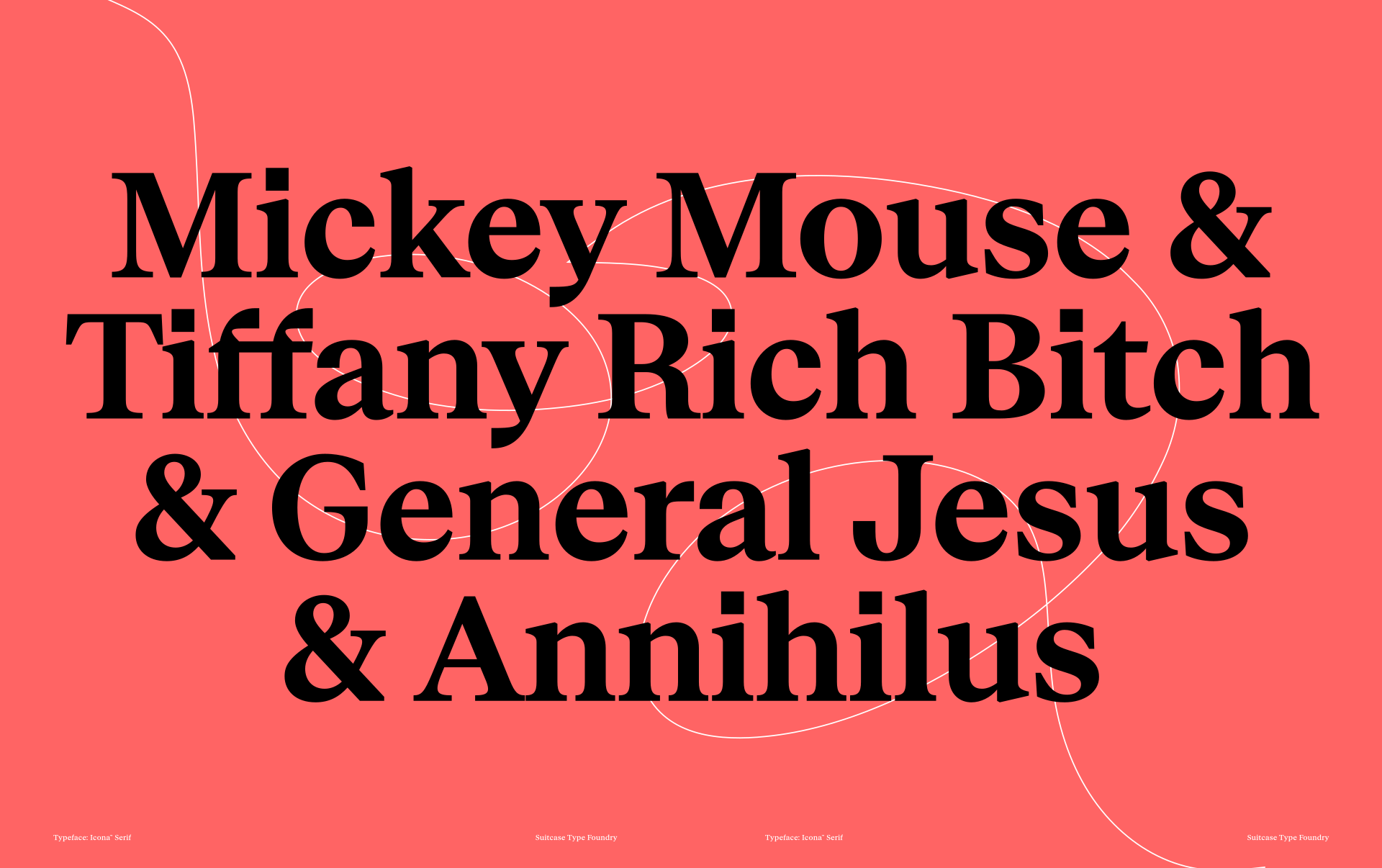
The Icona Collection is not a revival of any specific historical model. The Sans and Serif families were developed in parallel, sharing common proportions and construction principles wherever possible, allowing them to work together naturally within a single typographic system. Built on contemporary proportions and optimized for today’s multilingual environments, the collection combines extensive OpenType features, alternate characters, and variable font support to provide a modern and versatile typographic tool.
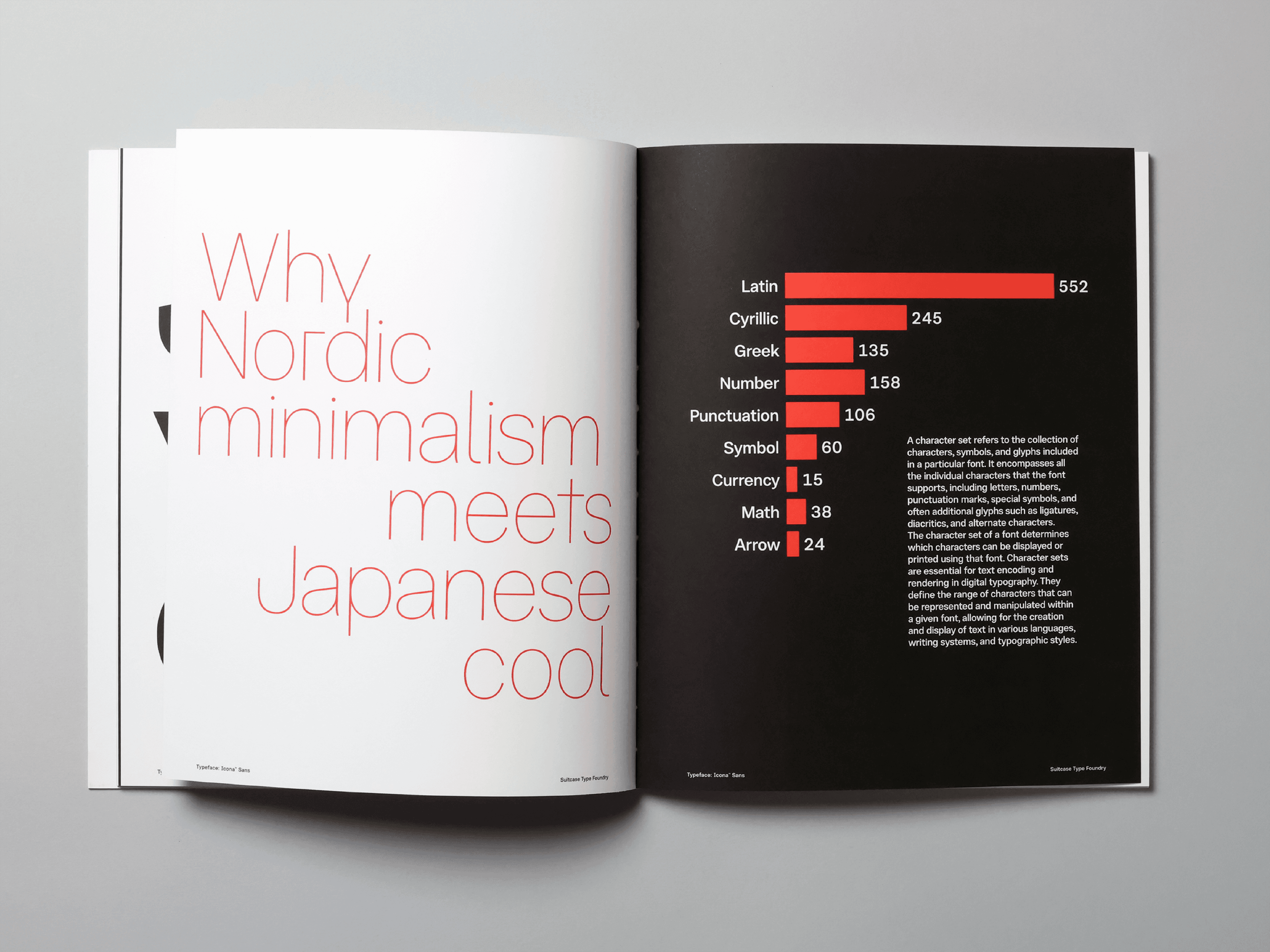
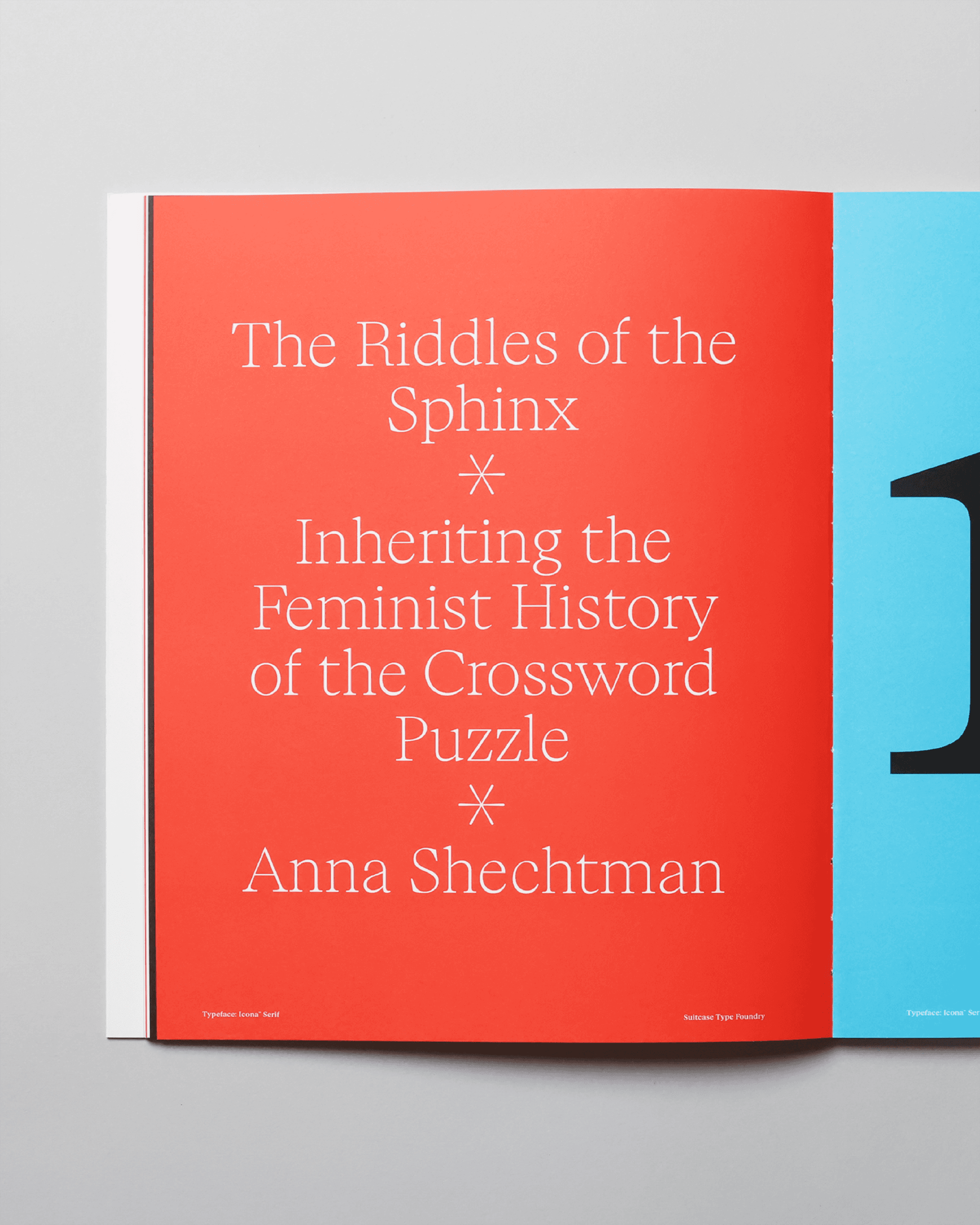
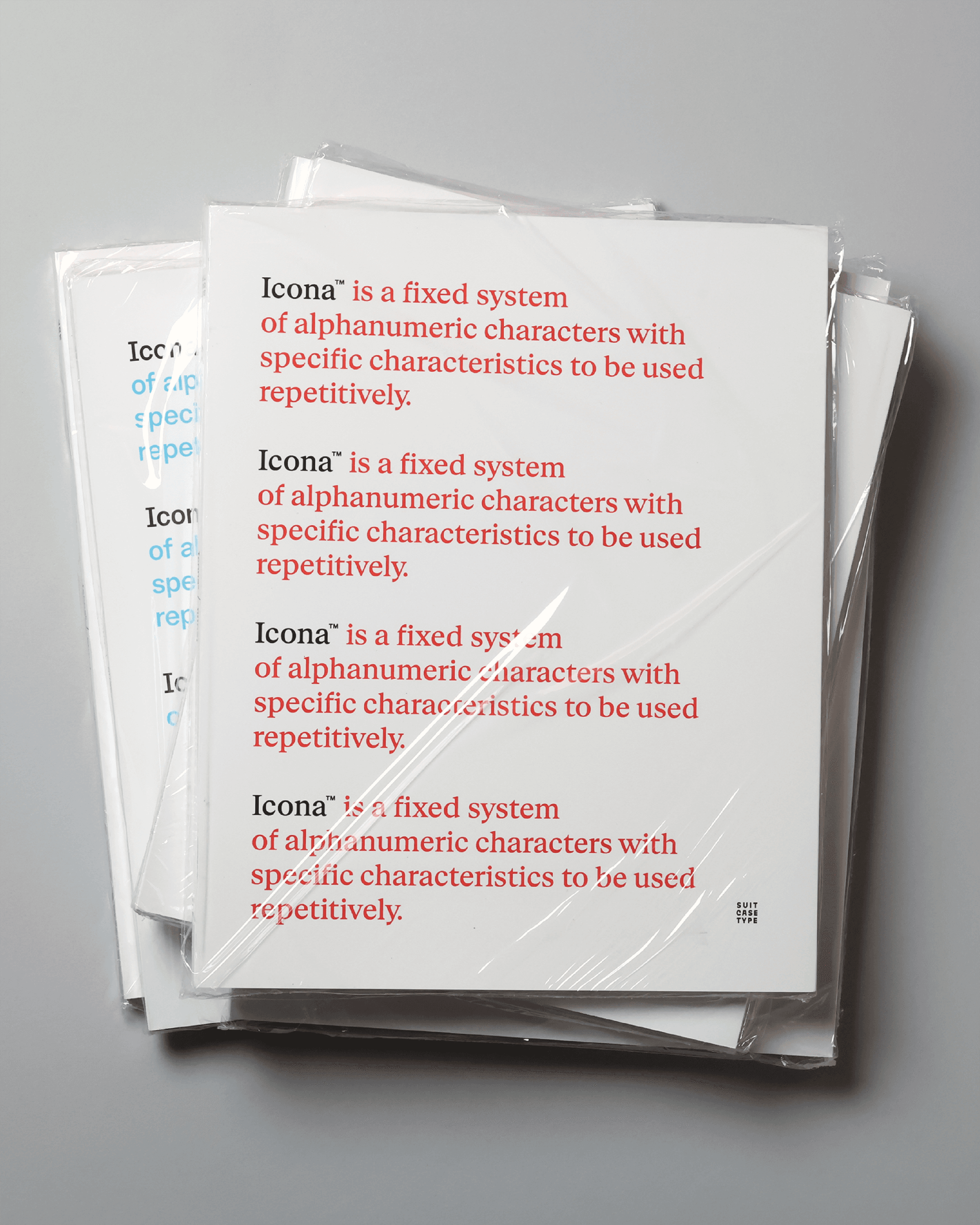
Limited edition printed specimen
Because we prefer not to waste paper, the 72-page specimen, measuring 230 ✕ 287 mm, printed in offset with spot colors on Munken Polar Rough paper and bound in an exposed V4, stitch with white thread, is produced in an ultra-limited edition of just 100 copies.
The specimen is not available for sale. However, while supplies last, fifty copies are reserved for customers who purchase any type family from the Icona collection and are available upon request.
Customising Icona
Even before its public release, pre-production versions of Icona served as the basis for several custom typeface projects, demonstrating the flexibility of the family across a wide range of applications.
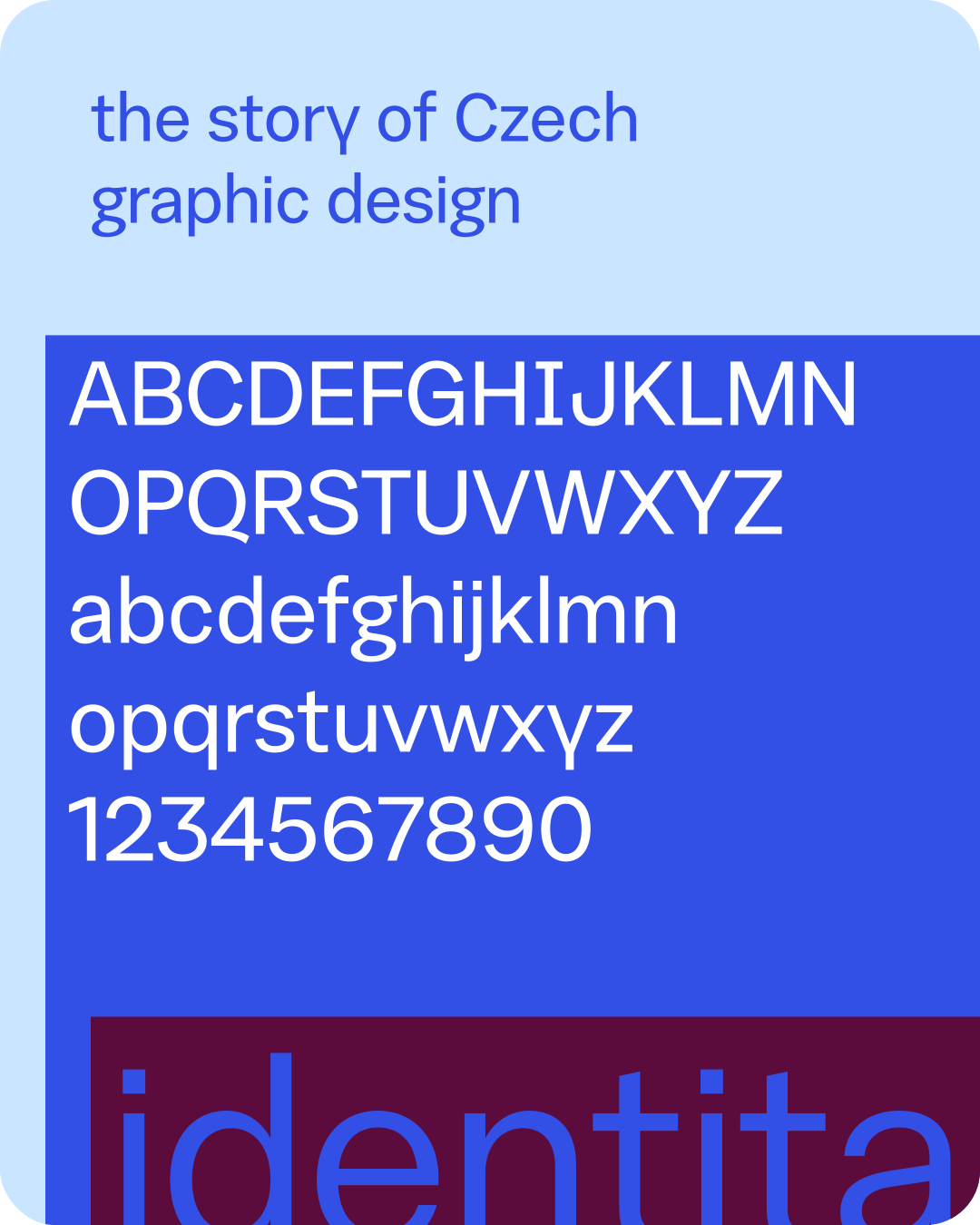
The visual identity of the Identita project, designed by Studio Marvil, is built around a customized version of Icona. Spanning a television series, a book, exhibitions, and a feature film, the project celebrates the leading figures of Czech graphic design. Its visual language combines the custom typeface with overlapping graphic layers that reference archival folders while simultaneously evoking the surfaces of designers’ desks, printed posters, and digital design software.
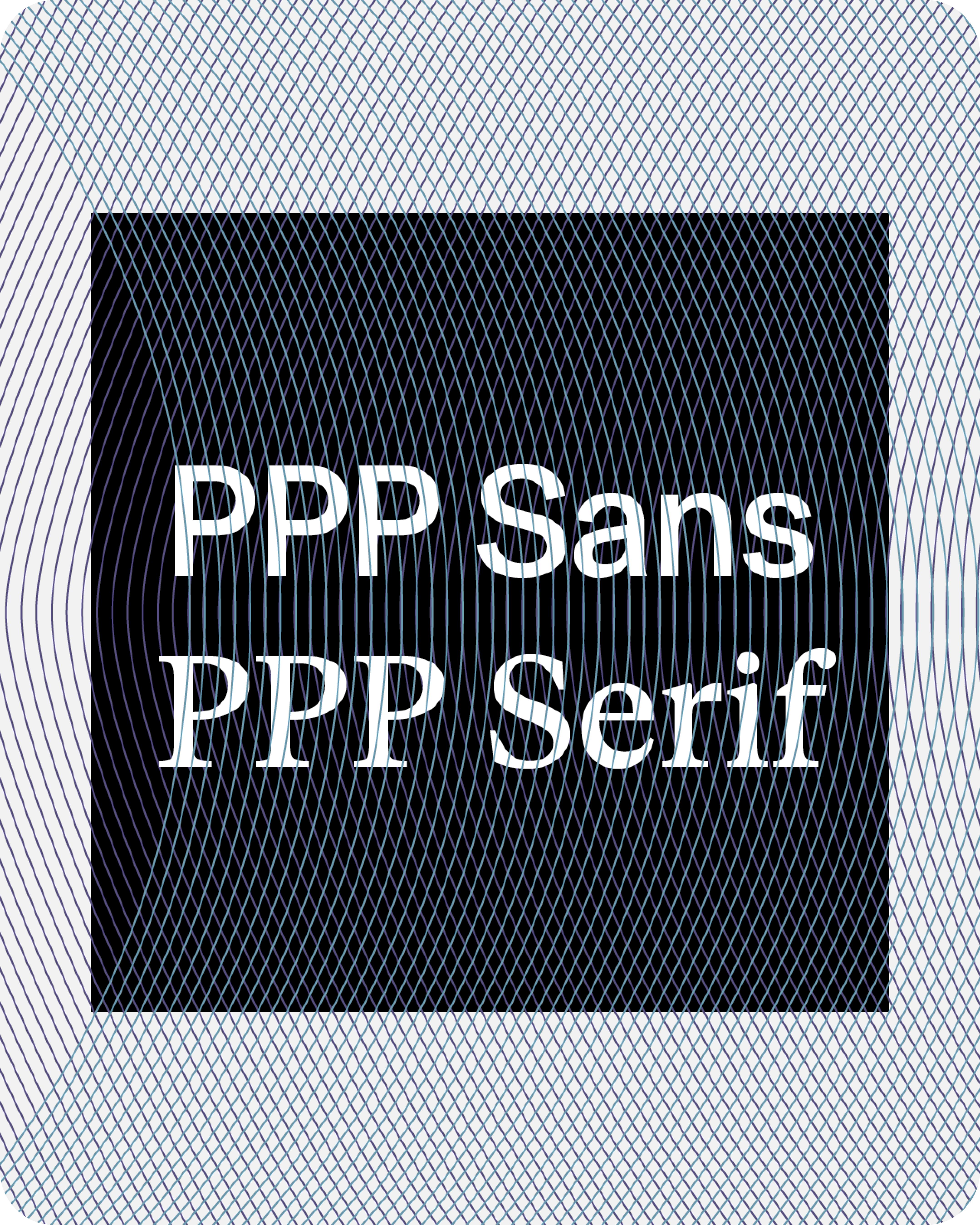
Since his inauguration, the Office of the President of the Czech Republic, customized versions of Icona — PPP Sans and Serif — have served as the typographic foundation of the official printed communication. Designed specifically for this purpose, they are used by superlative.works across a wide range of publications and printed materials.

Among other applications, one million postage stamps were issued using PPP Sans.